Smart Features To Check In A Car Insurance App
A Car Insurance App can make policy management easier by bringing important information such as coverage, renewal dates, claim details and policy documents into one digital interface. Instead of searching through emails or physical papers, vehicle owners can access key insurance information from their phones.
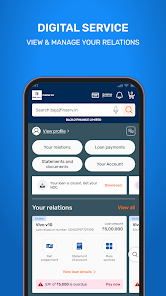
Some broader financial platforms may also provide access to an instant loan alongside insurance and payment-related services. These financial products should be evaluated independently because borrowing creates a repayment obligation, while motor insurance is designed to provide financial protection according to the policy terms.
A useful application should therefore focus on clear policy information, secure access, simple claim support and transparent renewal details rather than only on convenience.
Check Policy Information First
A Car Insurance App should clearly display the basic details of the policy.
These may include:
- Policy number
- Vehicle registration details
- Coverage start date
- Coverage end date
- Insured declared value where applicable
- Premium amount
- Selected add-ons
- Keep Important Information Easy To Find
Users should not need to navigate through several screens simply to check the policy expiry date or download a document.
Clear access can be particularly useful during:
- Traffic checks
- Claim registration
- Vehicle servicing
- Policy renewal
- Document verification
Important documents should also be backed up independently where possible.
Understand The Type Of Coverage
Car insurance policies can provide different levels of protection depending on the plan selected.
Users should understand exactly which risks are covered.
Review The Coverage Structure
Depending on the policy, coverage may include:
- Third-party liability
- Own-damage protection
- Personal accident-related cover
- Optional add-ons
- Other eligible protections
Coverage details should be reviewed carefully because policies can differ significantly.
A lower premium does not automatically mean better value if the protection provided is narrower.
Read Policy Exclusions
Insurance coverage is subject to terms, conditions and exclusions.
An exclusion describes situations in which the policy may not provide coverage.
Avoid Assuming Every Loss Is Covered
Possible exclusions may relate to:
- Normal wear and tear
- Driving without required documents
- Certain types of mechanical damage
- Policy misuse
- Unauthorised vehicle modifications
- Other specified conditions
The exact wording should always be checked in the policy document.
An app summary can be useful, but it should not replace the official terms.
Review Renewal Alerts
Missing an insurance renewal date can lead to a break in coverage.
A Car Insurance App may provide reminders before expiry.
Use Alerts To Review Rather Than Auto-Renew Blindly
A reminder is also an opportunity to reassess the policy.
Before renewal, users can review:
- Current premium
- Vehicle value
- Existing coverage
- Add-on requirements
- Deductibles
- Claim history
Renewing automatically without checking these details may result in paying for features that are no longer relevant.
Compare Premium Details
Premiums can depend on several factors.
These may include:
- Vehicle make and model
- Vehicle age
- Location
- Coverage type
- Add-ons
- Claim history
- Applicable deductibles
- Compare Similar Coverage
When reviewing policies, users should compare plans with similar coverage.
One policy may appear cheaper simply because it includes fewer protections or has a higher deductible.
Premium should therefore be evaluated together with the actual benefits and exclusions.
Examine Claim Registration Features
Claim support is one of the most important functions of an insurance application.
A useful platform should make it easy to understand the next steps after an accident or covered event.
Claim Details Should Be Clear
The app may provide access to:
- Claim registration
- Claim reference number
- Document checklist
- Status updates
- Survey information
- Support contacts
Clear instructions can reduce confusion at a stressful time.
Understand The Claim Process
The steps involved in filing a claim may vary depending on the policy and nature of the incident.
Users may need to provide information such as:
- Policy number
- Vehicle details
- Incident description
- Photographs
- Repair estimate
- Police report where required
- Report Incidents Within The Required Time
Policies may contain reporting requirements.
Users should review the relevant terms and notify the insurer according to the required process.
Delays may complicate claim assessment in some cases.
Check Cashless Garage Access
Some insurers maintain networks of garages where eligible repairs may be handled through a cashless claim process, subject to policy terms.
Verify The Garage Before Repair
Users should confirm whether the repair centre remains part of the insurer’s current network.
The app may help identify nearby participating garages.
Even with a cashless claim, policyholders may still need to pay:
- Deductibles
- Non-covered repairs
- Depreciation-related amounts
- Other applicable charges
The exact amount depends on the policy.
Review Add-On Options
Add-ons can extend the coverage available under a standard policy.
Examples may include:
- Zero-depreciation cover
- Engine protection
- Roadside assistance
- Consumables cover
- Return-to-invoice cover
- Choose Add-Ons Based On Vehicle Needs
Not every vehicle owner needs every add-on.
Useful factors to consider include:
- Vehicle age
- Driving frequency
- Location
- Repair costs
- Parking conditions
Adding several unnecessary features can increase the premium without meaningfully improving protection.
Understand Deductibles
A deductible is the amount the policyholder may need to pay before or alongside the insurer’s eligible claim contribution, depending on the policy structure.
Higher Deductibles Can Reduce Premium
Some policies may allow different deductible arrangements.
A higher deductible may reduce the premium but can increase out-of-pocket expenses during a claim.
Users should choose an amount they can realistically afford.
Review No-Claim Related Benefits
Eligible claim-free periods may affect renewal benefits under some policies.
The exact structure depends on the policy terms.
Do Not Avoid A Necessary Claim Only For A Discount
A possible renewal benefit should not automatically prevent someone from filing a legitimate claim.
Vehicle owners should compare:
- Repair amount
- Deductible
- Possible renewal impact
- Policy terms
The decision should be based on the actual financial effect.
Use Digital Document Storage
A Car Insurance App may provide digital access to:
- Policy certificate
- Premium receipt
- Claim records
- Renewal documents
- Vehicle information
- Maintain Independent Backups
Keeping important documents only inside one application can create difficulties if account access is lost.
Users may store secure copies elsewhere for easier access during emergencies.
Check Application Security
Insurance apps contain personal, vehicle and financial information.
Security should therefore be reviewed carefully.
Useful controls may include:
- Secure login
- Device authentication
- OTP verification
- Session timeout
- Account alerts
- Be Careful With Renewal Scams
Fraudulent callers or messages may offer fake policy renewals or claim assistance.
Users should avoid sharing:
- OTPs
- Banking credentials
- Card PINs
- Passwords
Payments and policy changes should be completed through verified channels.
Review Customer Support Options
Users may need support for:
- Claims
- Renewals
- Document updates
- Payment issues
- Coverage questions
A useful app should make support channels easy to locate.
Look For Clear Escalation Paths
Available options may include:
- Phone
- In-app support
- Chat
- Ticket systems
If an issue remains unresolved, users should know how to escalate it.
Keep Premiums Within The Household Budget
Car insurance is a recurring vehicle-related expense.
Owners should plan for renewals in advance rather than treating the premium as an unexpected cost each year.
Include Related Vehicle Expenses
A broader vehicle budget may include:
- Insurance
- Fuel
- Servicing
- Repairs
- Registration-related costs
- Loan repayments where applicable
Planning for these costs can reduce financial pressure.
Review Borrowing Before Using Credit For Premiums
If a larger unexpected expense creates a borrowing need, a personal loan calculator may help estimate potential monthly repayments based on assumed loan amounts, rates and tenures.
However, calculator results are only estimates, and borrowing should be assessed separately from insurance. Users should confirm actual interest rates, fees and repayment obligations before taking any loan.
Conclusion
A Car Insurance App can simplify policy management by making coverage details, renewals, claim information and documents easier to access.
Users should look beyond convenience and review exclusions, deductibles, add-ons, claim procedures, premium details and application security.
The most useful platform is one that provides clear information and reliable support while helping vehicle owners understand the policy they already have.
Digital access can make administration easier, but informed insurance decisions still depend on reading the policy carefully and choosing coverage that fits the vehicle and the owner’s financial needs.